
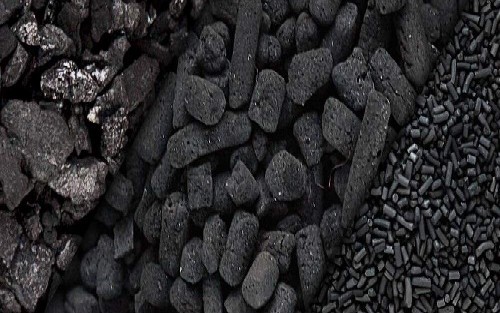
Activated Carbon
Activated carbon, also known as activated charcoal, is a processed form of carbon with a highly porous structure, creating a large surface area for adsorption. This makes it effective at trapping and removing impurities, pollutants, and other substances from various mediums like water, air, and even the human body in some medical applications.
Key Properties and Production:
High Surface Area:
Activated carbon's porous structure provides a massive surface area, which is crucial for its adsorption capabilities. A single pound of granular activated carbon can have a surface area equivalent to 125 acres.
Porous Structure:
The pores in activated carbon vary in size, from microscopic to larger fissures, allowing it to trap different types of molecules.
Adsorption:
Activated carbon primarily works through adsorption, a process where molecules adhere to the surface of the carbon, rather than being absorbed into it.
Raw Materials:
Activated carbon can be produced from various carbon-rich materials, including coal, coconut shells, wood, and lignite.
Activation Process:
The raw material is processed at high temperatures (often 600-1200°C) in a low-oxygen environment to create a porous structure, then often treated with chemicals to enhance its properties.
Common Uses:
Water Purification:
Activated carbon filters are widely used to remove chlorine, odors, and other contaminants from drinking water.
Air Purification:
It can filter out pollutants, odors, and volatile organic compounds (VOCs) from the air, making it useful in air purifiers and gas masks.
Medical Applications:
In emergency situations, activated charcoal can be used to adsorb ingested toxins and poisons in the gastrointestinal tract, helping to reduce their absorption into the body.
Industrial Processes:
Activated carbon plays a role in various industrial applications, including solvent recovery, precious metal recovery, and protecting against corrosion.
Food and Beverage Industry:
It's used in the production of certain foods (e.g., as a black food coloring) and in the filtration of beverages like vodka and whiskey.
Other Applications:
Activated carbon is also found in products like wound dressings and teeth whitening products.